
518: Nothing We Can Do About Frogs

James Cameron spoke with us about programming for and operating a large telescope. The show is a blend of astronomy, engineering on the fly, and weird lady bug habitats. 

The Anglo-Australian Telescope (AAT) is part of the Australian National University’s Siding Spring Observatory in Coonabarabran, New South Wales, Australia. 

The AAT has an all sky camera where you can check in on a very dark sky. 

James was on Embedded Episode 172: Tell Forth You Me Please where we talked about the Forth programming language and his experiences with One Laptop Per Child. 
Transcript

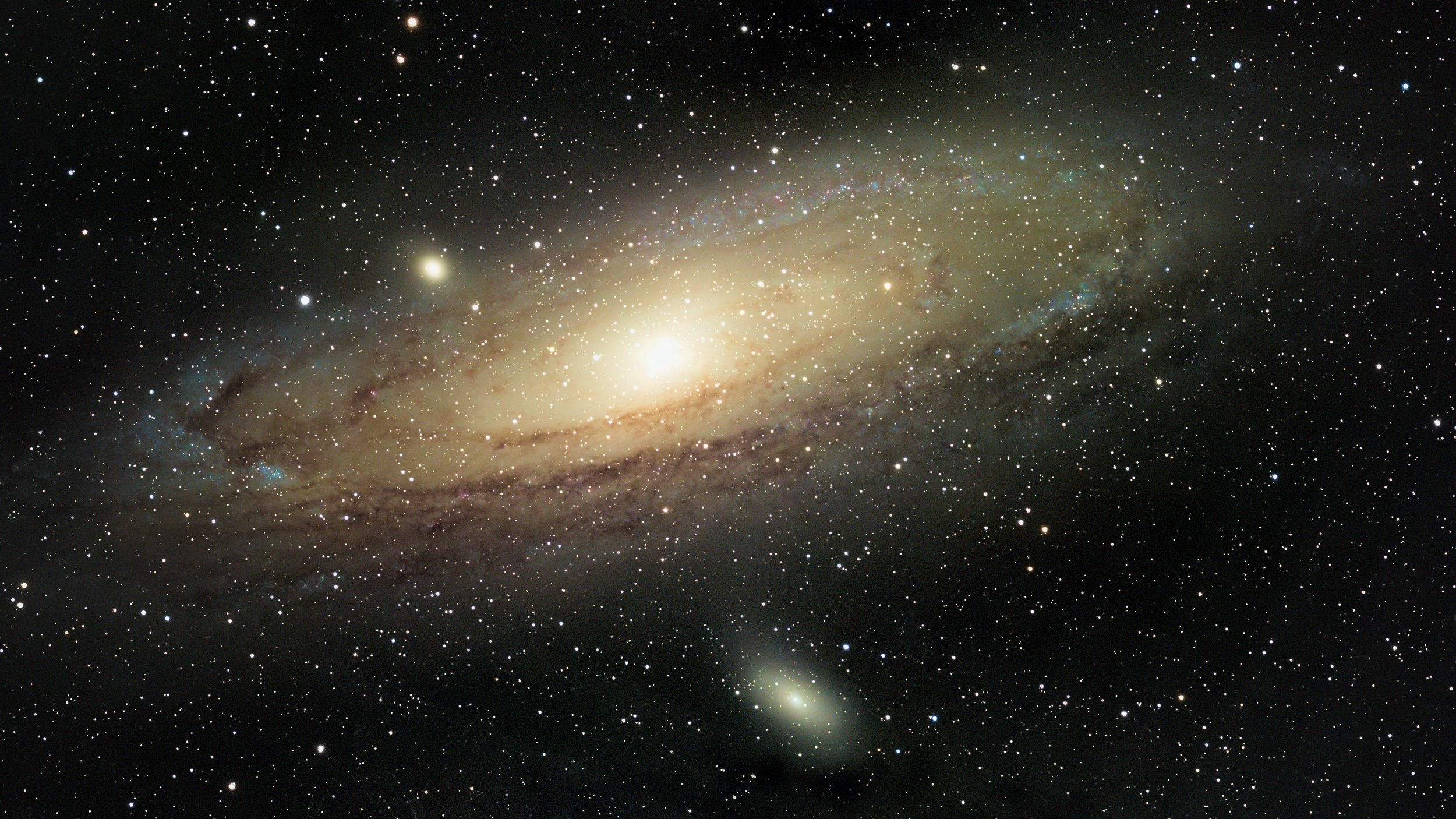
Unrelated to the AAT, Chris took this image of the Andromeda Galaxy (M31) from his Zwo Seestar 50 over 9 hours (multiple days), stacking the images and processing the data.
487: Focus on Fizzing

Chris and Elecia chat about simulated robots, portents in the sky, the futility of making plans, and grad school. 

A problem with mics led us to delay the show with Shimon Schoken from Nand2Tetris (co-author of Elements of The Elements of Computing Systems: Building a Modern Computer from First Principles). Look for that later in the year.

Elecia is playing with Webots, a robotics physics simulator. Simpler than ROS’s Gazebo, it also can run in an online mode where you can run it on a browser, selecting between many different robots

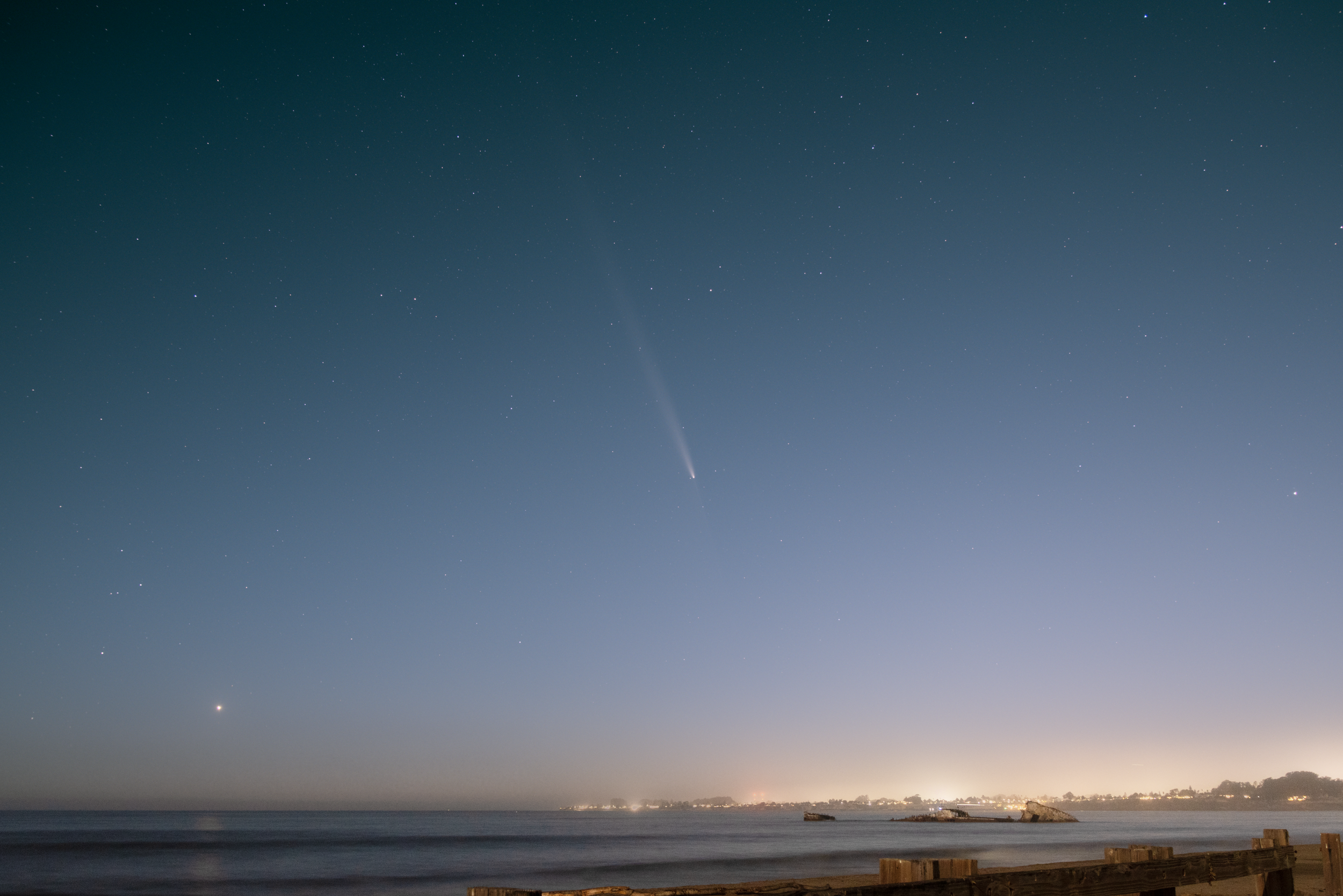
Chris talked about processing his photos of Comet C/2023 A3 (Tsuchinshan–ATLAS) using PixInsight and Siril.

Then we talked about grad school (including Georgia Tech’s reasonably affordable CS Master’s Degree).

Tony sent in this insect detector: Mothbox. If you want links like this or de facto letters to the editor, please sign up for the Embedded.fm newsletter.

Transcript

Photo of Comet C/2023 A3 (Tsuchinshan–ATLAS), taken from Seacliff Beach in Aptos, CA by Chris White

443: Vexing Machines

Chris and Elecia talk about photons, comets, patterns, other flying objects, and cameras.

Chris uses PixInsight for processing  and has an Ioptron Sky Tracker. Apologies to our southern hemisphere listeners because Polaris is not visible there. There are (of course) other ways to align and even in the northern hemisphere more modern trackers don’t necessarily need Polaris.

Star Exterminator: who cares what it does it has an awesome name. Though it does what it says (on photos, no real stars were harmed in the making of this podcast).

Jupyter Notebooks on a Circuit Python board.

Elecia’s Yoshimura sine pattern generating Python colab. Also, Rigidly foldable origami gadgets and tessellations is an excellent article about Miura-ori and other rigidly foldable patterns. You can see her patterns over on Instagram. (You can see some of Chris’ photos on his Instagram.)

Transcript